
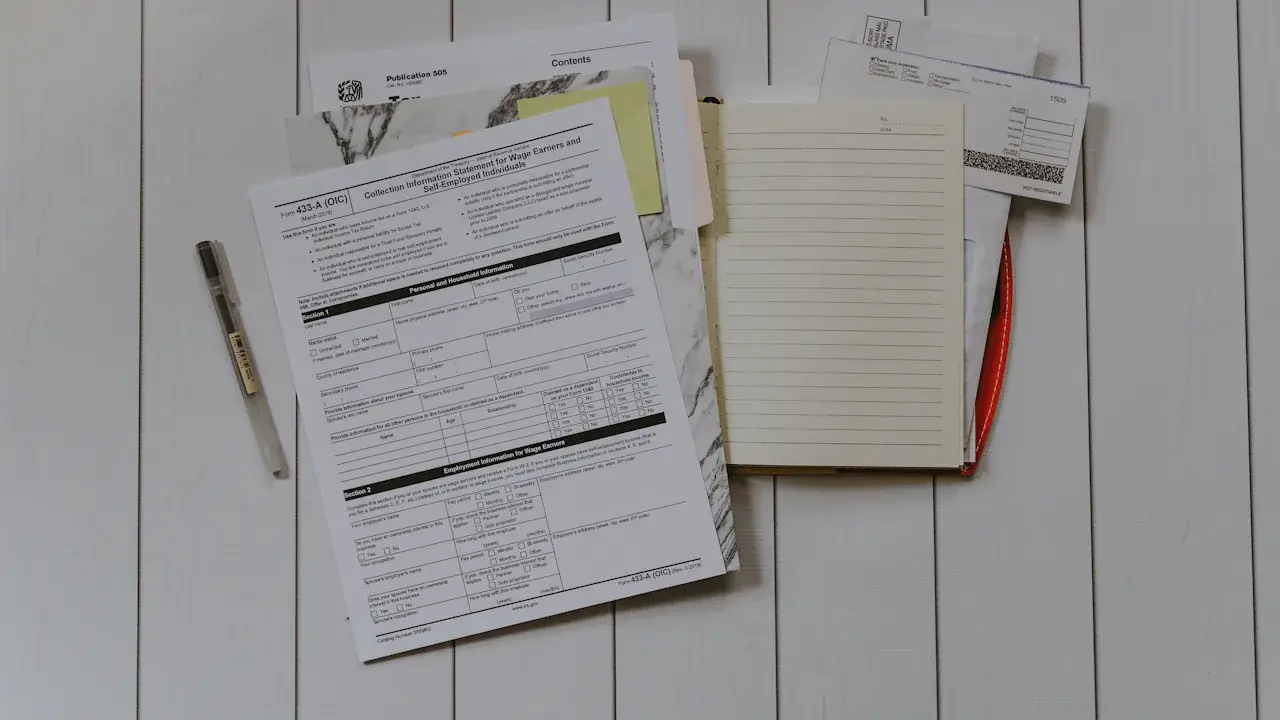
A certified translation is a complete translation of a document, supplied with a signed statement confirming that it accurately reflects the original. It is the format most UK organisations expect when they receive paperwork in another language. This guide covers what the statement contains, when you need something more formal, and how to prepare your documents so the translation is accepted first time.
What makes a translation certified?
A translation is certified when the translator, or the translation company that produced it, signs a declaration of accuracy. Because England and Wales have no state register of sworn translators, the weight of the certification comes from the professional standing of whoever signs it, not from an official government stamp.
The declaration usually sits on the translation itself or on a cover page. It normally includes:
- a statement that the document is a true and accurate translation of the original
- the date on which the translation was completed
- the full name and contact details of the translator, or of an authorised person at the translation company
- a signature, often with the company's letterhead or stamp
Receiving organisations generally look at the translation side by side with a copy of the original, so they can see that every page and every stamp has been dealt with.
Who asks for certified translations?
Almost any UK body that has to rely on a foreign-language document will ask for a certified translation. The most common requests come from:
- The Home Office, for visa, settlement and citizenship applications supported by birth, marriage and divorce certificates, bank statements or police certificates
- Courts and tribunals, for overseas judgments, orders and documentary evidence
- Universities and professional bodies, for transcripts, diplomas and registration evidence
- Banks, solicitors and conveyancers, for identity, property and source-of-funds documents
- Register offices, when foreign documents support a notice of marriage or civil partnership
Requirements change from time to time and differ between application types. Before you order, check the receiving organisation's current guidance or ask the caseworker exactly what format they want.
Certified, notarised, apostilled or sworn: which do you need?
For most purposes inside the UK, a standard certified translation is enough. Notarisation, an apostille or a sworn translation is usually only needed when a document is going abroad, or when the receiving body asks for one specifically.
| Type | What it adds | Typically used for |
|---|---|---|
| Certified | A signed declaration of accuracy from the translator or company | Home Office, UK courts, universities, banks |
| Notarised | A notary public witnesses the translator's declaration | Some overseas authorities, company and property matters abroad |
| Apostilled | The FCDO Legalisation Office confirms the notary's signature | Countries that accept apostilles |
| Embassy legalisation | The destination country's embassy or consulate adds its own confirmation | Countries that do not accept apostilles |
| Sworn | Produced by a translator authorised by the destination country | Certain official uses in civil-law countries such as Spain or Germany |
Two points are often misunderstood. A notary confirms the identity and signature of the person making the declaration; the notary does not check the translation itself. And an apostille confirms the notary's signature, not the content of the document. If an authority abroad asks for a sworn translation, ask them whether a notarised and apostilled UK translation will do, or whether the work must be done by a translator sworn in their own country.
How the process works
Ordering a certified translation is straightforward once you know what the receiving organisation wants.
- Send clear copies of every page. Include the reverse sides, stamps, seals and any handwritten notes, and tell us which organisation the translation is for.
- Receive a quote. The price depends on the language pair, the number and density of pages, the deadline, and whether notarisation or an apostille is needed.
- Confirm how names should be spelled. Names should normally match the spelling in your passport or other identity documents.
- Translation and checking. A professional translator working in your language pair translates the document, and the translation is checked before it is certified.
- Certification and delivery. You receive a signed PDF, plus printed copies by post if the receiving organisation needs paper.
Preparing your documents: a checklist
Good preparation is the simplest way to avoid delays and follow-up questions.
- Every page, front and back, even if the back carries only a stamp
- Readable images: flat, well lit, all four corners visible, no glare or shadow
- Names exactly as they appear in your passport, plus any alternative spellings used elsewhere
- The purpose of the translation and the organisation receiving it
- Your deadline, including any appointment or submission date
- How many printed copies you need, if any
- Any earlier translations of related documents, so spellings and terms stay consistent
Common mistakes that cause delays
Most rejected translations fail for avoidable reasons rather than because of the translation itself.
- Translating your own documents. Most organisations expect an independent professional translation, not one produced by the applicant or a relative, however fluent they are.
- Leaving parts out. Stamps, marginal notes and the reverse side all form part of the document. A professional translator will note any element that cannot be read or translated, such as a signature or an illegible seal, rather than skip it.
- Inconsistent spellings. Names transliterated from Arabic, Cyrillic, Chinese or other scripts can appear in several forms. Agree one spelling and use it across every document in the same application.
- Starting too late. Notarisation and apostilles involve third parties, so allow extra time beyond the translation itself.
- Assuming one format suits every country. What satisfies a UK authority may not satisfy an authority abroad, and the reverse.
Do you need to send the original document?
No. A clear scan or photograph is enough for nearly all certified translations, because the translator works from the copy you provide. Keep your originals safe, as the receiving organisation may ask to see them alongside the translation. If an authority wants the translation attached to a certified copy of the original, mention it when you ask for a quote.
How long does it take?
Turnaround depends on the length of the document, the language pair and any extra steps. A single certificate is usually much quicker than a long court bundle, and notarisation or an apostille adds time that sits outside the translation itself. If you are working to a fixed date, say so when you request a quote so the timetable can be confirmed before work starts.
Next steps
- Request a translation quote and upload clear copies of your documents
- Read more about our certified translation and immigration translation services
- Up against a deadline? Send an urgent request
Quick answers
What does a certified translation include?
What is the difference between a certified and a notarised translation?
Can I translate and certify my own documents?
Prefer to message? Ask on WhatsApp about how certified translation works in the uk.