
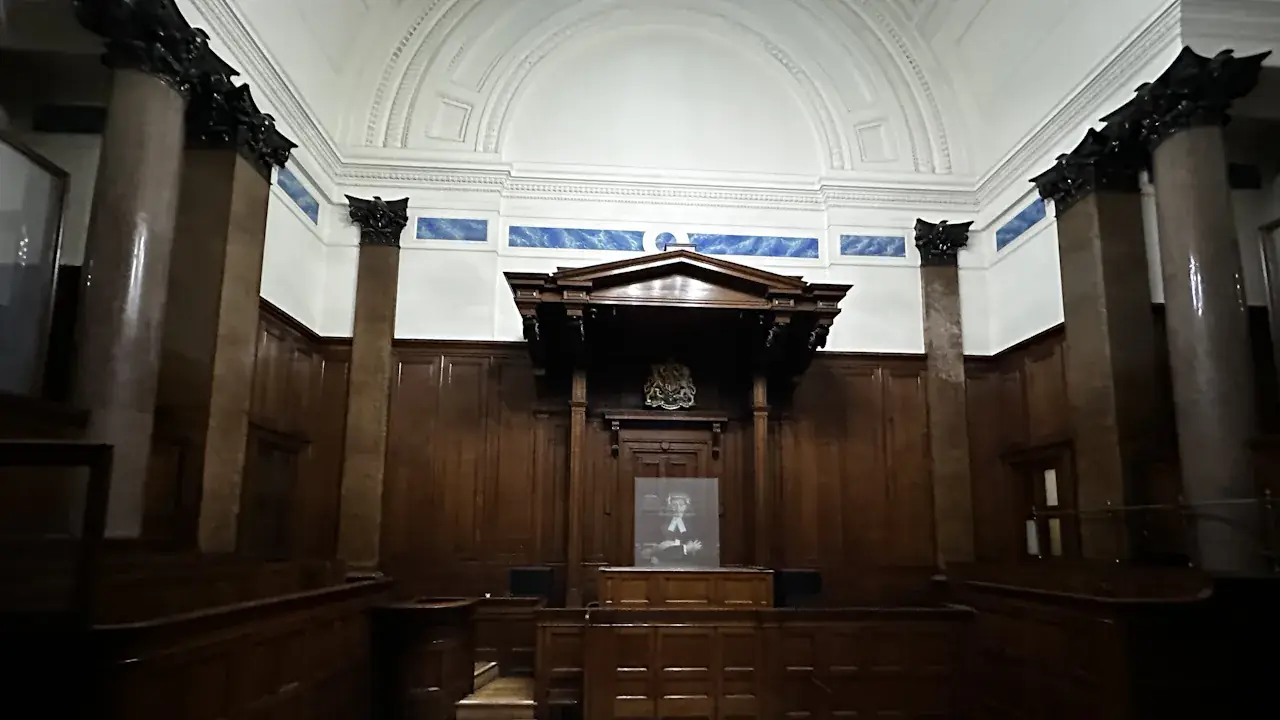
You need a court interpreter whenever a party, defendant or witness cannot fully understand the proceedings or give their evidence clearly in English. That includes people who manage everyday conversation in English but would struggle with legal language under pressure, and Deaf people who use British Sign Language. The harder question is usually who arranges the interpreter, which depends on the type of case and the stage it has reached.
How to tell if someone needs an interpreter
If there is any doubt about a person's ability to follow the hearing in English, raise it early. Court language is formal, fast and often technical, and someone who copes well at a shop counter or at work may still miss important detail.
Signs that an interpreter may be needed include:
- the person answers "yes" to questions they have not fully understood
- they ask for questions to be repeated or rephrased
- they can speak some English but read or write it with difficulty
- they become noticeably less fluent when tired, anxious or upset
- they prefer to discuss their case with you in another language
It is far easier to arrange an interpreter in advance than to adjourn a hearing because a witness is struggling.
Who arranges the interpreter?
The short answer is that the court arranges interpreters for some people at some hearings, and the legal team or the party arranges the rest. The table gives a general picture, but the directions in your case always take priority.
| Situation | Who usually arranges |
|---|---|
| Criminal case, defendant at a hearing | The court |
| Police interview | The police |
| Defence conferences, cells and prison visits | The defence solicitor |
| Civil or family hearing | Varies; check the court's directions |
| Immigration tribunal hearing | The tribunal |
| Preparing statements and evidence for any hearing | The representative or the party |
| Mediation and out-of-court meetings | The parties or their representatives |
If you are unsure, ask the court office or check the order or notice of hearing as soon as you receive it. Leaving it until the week of the hearing reduces the choice of interpreters, particularly for rarer languages.
Criminal cases: what the defence still needs
Even when the court provides an interpreter for the hearing, the defence team needs its own interpreter for confidential work outside the courtroom. Typical bookings include:
- conferences with the client before and after each hearing
- cells visits on the day
- going through prosecution evidence, interview recordings and statements with the client
- prison visits, which also need advance security arrangements
- conferences with counsel
Booking a court interpreter for the whole day often makes sense, so the same person can cover the morning conference, the hearing wait and the discussion afterwards.
Civil and family proceedings
In civil and family cases, arrangements are less uniform. Sometimes the court arranges and pays for an interpreter; in other cases the party who needs one, or their solicitor, is expected to arrange it. Witnesses may be treated differently from parties. Check the directions early, and if the position is unclear, ask the court in writing so you have a record.
Family hearings can be emotionally demanding, and continuity matters. Where there will be several hearings, ask for the same interpreter each time. See our family court interpreting page for more on these assignments.
Tribunals
Many tribunals, including the immigration tribunal, provide an interpreter for the hearing itself. The preparation is a different matter. The appellant's witness statement is often central to the case and is examined closely, so the representative needs to arrange a suitably qualified interpreter to take instructions and to read the statement back to the client before it is signed.
What the court interpreter actually does
A court interpreter works in two main modes. When the person is listening to proceedings, the interpreter usually whispers a simultaneous interpretation alongside them. When the person is giving evidence, the interpreter normally works consecutively, letting each question and answer finish before interpreting it.
Court interpreters typically take an oath or affirmation to interpret accurately. They interpret everything, including hesitations and corrections, and they do not explain legal terms in their own words or offer advice. If something cannot be interpreted accurately, they tell the court.
Deaf court users
A Deaf person who uses British Sign Language needs a registered sign language interpreter, and for a full hearing two interpreters usually work together, taking turns to protect accuracy. Some Deaf people also benefit from a Deaf intermediary interpreter, who works alongside a hearing BSL interpreter when the person uses a regional or non-standard form of signing or has additional communication needs.
Raise these needs as early as possible, because suitably experienced legal BSL interpreters are often booked well in advance. Our BSL interpreting page explains the registrations to look for.
Practical booking tips
- Book the full listing. Hearings rarely start at the time listed, and if the interpreter's booking ends before the case is reached, the hearing may have to be adjourned.
- Give full details. Court name, case number, listing time, the person's language and variety, and whether the hearing is in person or by video.
- Ask for the same interpreter for later hearings where possible.
- Plan for remote hearings. If the hearing is by video, confirm how the interpreter will join and whether they can speak privately with the client during breaks.
- Allow arrival time. Court security queues can be long, so build in time for the interpreter to get through and meet you before the case is called.
Interpreting and translation for the hearing bundle
Interpreters deal with the spoken word; documents are a separate job. If foreign-language evidence such as contracts, messages, medical records or overseas court papers will be relied on, it normally needs a written translation, often certified, prepared well before the hearing. Leave enough time for this, as large bundles take longer than most people expect. See legal translation for how this works.
Common mistakes
- Assuming the court has booked an interpreter without checking
- Booking a half day for a hearing that could easily run into the afternoon
- Confirming the language but not the dialect
- Using the client's relative to interpret in conference before the hearing
- Forgetting to book an interpreter for the solicitor's own preparation work
Next steps
- Request a court interpreting quote with the court, date and language
- Read more about court interpreting and our work with courts and tribunals
- Hearing listed at short notice? Send an urgent request
Quick answers
Who arranges the interpreter in a criminal case?
Does someone who speaks some English still need a court interpreter?
How long should I book a court interpreter for?
Prefer to message? Ask on WhatsApp about when do you need a court interpreter?.