
Document translation in London and across the UK
Accurate translation of personal, legal, financial and business documents in over 200 languages.
Get a free quote
Free and no obligation — nothing is booked until you approve the quote.
In short
Document translation is the written translation of any file, from a single certificate to a large report, into or out of English in more than 200 languages and dialects. Individuals, businesses, solicitors and public bodies use it whenever they need to read, submit or publish a document in another language. Upload your files through our quote form and we will quote for the language, length, subject and deadline.
Most document translation falls into one of three groups: personal documents for official use (certificates, passports, bank statements), legal and financial documents (contracts, court papers, accounts), and business documents (reports, manuals, policies, marketing).
How we match your translator
We match each job to a professional translator for the language pair and the subject matter, and to any certification the receiving organisation needs. Where it matters, we use translators with relevant credentials such as ITI or CIOL membership or specialist qualifications.
What to send
Clear scans or photos of every page, including stamps, seals and the reverse side. Tell us who the translation is for (for example UKVI, a university or a foreign court) and your deadline.
Formats
We return translations as PDF or Word, laid out to mirror the original so the receiving organisation can compare them easily. Certified, notarised and apostilled versions are available on request.
Choose the level of translation you need
The right type of translation depends on who will read it and what they will do with it. Ordering the correct level first avoids paying twice.
- Standard translation suits documents you need to understand or share internally, such as letters, reports or correspondence.
- Certified translation is for documents submitted to an authority, court, university or bank, with a signed accuracy statement.
- Notarised or apostilled translation is for documents going to an overseas authority that asks for these extra steps.
If you are unsure, ask the organisation receiving the document what they need, then tell us when you request a translation quote. Our certified translation page explains the extra steps in detail.
Handwritten, damaged and hard-to-read documents
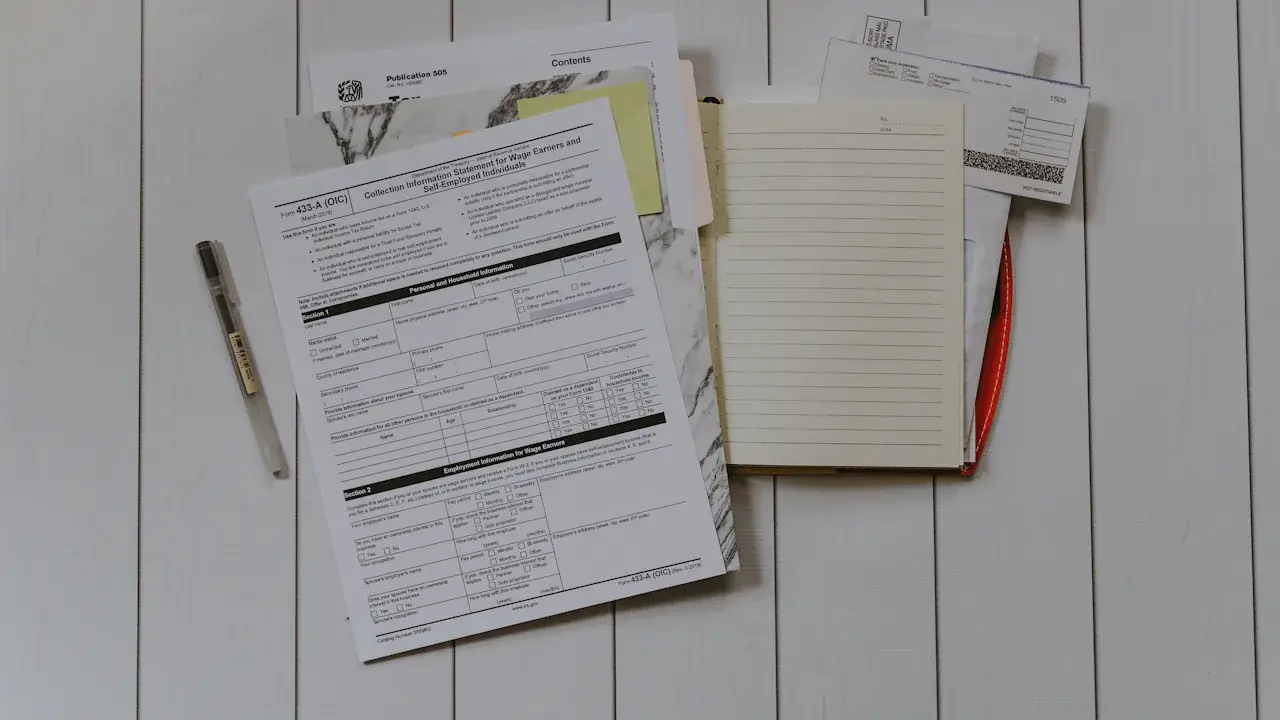
Many documents arrive in less than perfect condition: old certificates, handwritten records, faded stamps or photos taken at an angle. These can still be translated, but legibility affects time and cost.
A few steps make a real difference:
- Lay pages flat and photograph them in daylight, filling the frame.
- Include every edge, so numbers and stamps at the margins are not cut off.
- Send a PDF or original photo rather than a screenshot or a forwarded image, which loses detail.
- Send each page separately if they differ in size.
Where something genuinely cannot be read, the translator marks it as illegible. We will tell you before starting if a page is too unclear to translate reliably.
Editable files and layout
Sending the editable source file, rather than a scan, usually gives a better result and can reduce the cost. We can work with Word, Excel, PowerPoint, InDesign and many other formats, keeping tables, headings and images where they belong.
Translated text often changes length. German and French typically run longer than English, while Chinese and Japanese are shorter, so text boxes and tables may need adjusting. Arabic, Farsi, Urdu and Hebrew read right to left, which affects the whole page layout.
Tell us if the translation will be printed or published, so layout checks are included in the quote. Charts, diagrams and scanned images containing text can be handled too, but tell us about them in advance. For website and app content, see website translation.
Large and multi-document projects
Larger projects run more smoothly with a plan agreed at the start. We look at the total volume, the languages and your deadline, and decide whether one translator can handle it or whether a small team with a single reviewer is needed.
A shared glossary keeps names, product terms and job titles consistent across every file, even when several translators are involved. Where some documents are needed sooner, we can deliver in batches in the order you choose.
If you expect to send documents regularly, organisations can set up a partnership agreement for discounted rates and agreed payment terms over six or twelve months. Your glossary and past translations then carry over from one project to the next.
How a document translation job works
- You upload your documents and tell us the target language, purpose and deadline.
- We review length, subject, file format and legibility, then send an individual quote.
- After approval, a translator matched to the subject and language pair translates the document.
- The translation is checked for accuracy, completeness and layout against the original.
- We deliver in your chosen format, certified, notarised or apostilled if requested.
What to tell us when you ask for a quote
- The editable file if you have it, or clear scans of every page
- The target language and, where relevant, the country or variety
- Who will receive the translation and what they will use it for
- Your deadline
- Any glossary, previous translations or reference material
Document translation: frequently asked questions
How quickly can a document be translated?
Can I upload my documents online?
How is document translation priced?
Can you translate one document into several languages?
Can I have only part of a document translated?
Do you translate from English into other languages as well?
Related services

How we choose your interpreter or translator
We don't publish individual profiles. Our team matches each assignment to a suitably qualified professional and tells you who is attending once it's confirmed.
Language and dialect
We confirm the exact language and dialect before we match anyone — for example Sylheti rather than standard Bengali.
Qualifications and registration
DPSI, CIOL or equivalent qualifications, and NRPSI registration where the setting requires it. We verify credentials before we rely on them.
Experience of the setting
Court, police, immigration, medical, mental health, council or business experience matched to your assignment.
Location and availability
Professionals who can reach your venue, or work by telephone or video — and we confirm availability with them before anything is booked.